


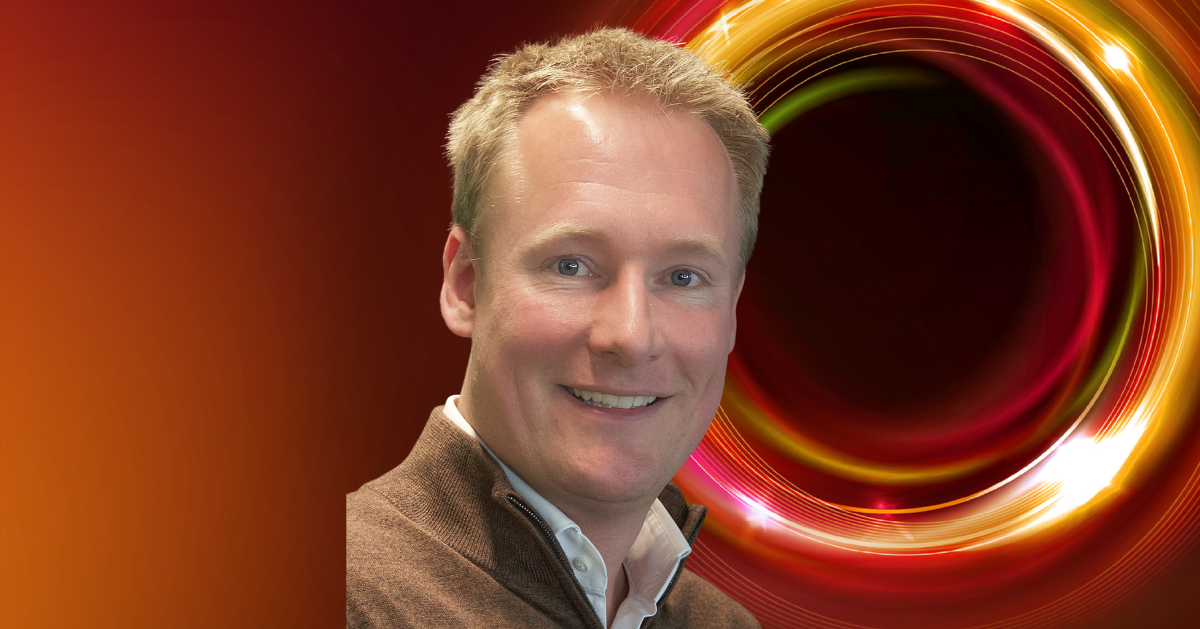
Ahead of SITS Netherlands, we sat down with Rik Farenhorst, CEO of DASA, to find out what he’ll be sharing on stage and what’s driving his thinking right now, from digital transformation to enterprise IT in the AI era.
You say most organisations automate existing steps instead of redesigning the value stream for agentic AI. What made you spot this gap?
I kept seeing the same pattern. Organisations would map their value stream, find the slow steps, drop an agent in, and call it a transformation. But the architecture underneath never changed.
Same handoffs, same approval chains, same accountability model.
So the bottleneck just moved a few meters down the line. Once you have watched that happen a few times, you realise the problem was never the speed of the individual steps but the system around them. Not changing the system has also been the key reason most agile/DevOps transformations have failed over the past two decades. I hope we can do better this time with (agentic) AI transformations.
You say agents sit waiting for human approval, even though they could run continuously. What’s the biggest reason organisations still design it this way?
Because redesigning the value stream means touching accountability, and that is the hardest thing to change in any organisation. Automating a step is safe. It fits the existing governance and the existing roles. Redesigning where decisions get made and who owns them is political, uncomfortable, and doesn’t show up neatly on a dashboard. So people default to the safe version and end up with a human workflow that just has faster individual steps.
As former CIO at Transavia, you led large-scale digital modernisation. What’s one lesson from that role that applies directly to agentic AI adoption today?
The biggest lesson was that modernisation is never really a technology problem. Every digital transformation is in fact an organisational transformation, and this is something most leaders severely underestimate.
When organisations try to bolt new technology onto old ways of working, the technology often takes the blame for a problem that was actually structural.
The teams, the handoffs, and the accountability had to change with it, or nothing improved. Agentic AI is that same lesson at a larger scale. The organisations that treat it as a tooling upgrade will get the same disappointing result, and they will blame the AI for it.
What are you most looking forward to about speaking at SITS NL?
The room.
SITS NL brings together people who are actually responsible for making these decisions, not just talking about them.
Agentic AI is on the radar of many leaders, and it is potentially very disruptive for our industry, and especially for people working in ITSM-related roles. Moreover, this is a topic where the interesting part is the disagreement, so I am looking forward to the pushback and the conversations after the session as much as the talk itself.
What’s one thing you hope people take away from your session?
That the real risk with agentic AI is not moving too slowly. It is moving fast in the wrong shape. If you only measure speed and adoption, you will miss what agents are doing to your teams and to the capabilities that keep the system sustainable. I want people to leave asking a better question: not “where can we add agents,” but “what should we redesign so agents actually create value.”
What’s your best tip for someone visiting SITS NL for the first time?
Do not try to see everything. Pick the few sessions that genuinely challenge how you think, and spend the rest of your time talking to peers who are wrestling with the same problems you are.
The SITS – Service Desk & IT Support Show Netherlands is taking place at Jaarbeurs Utrecht on 22 September. Secure your ticket here.